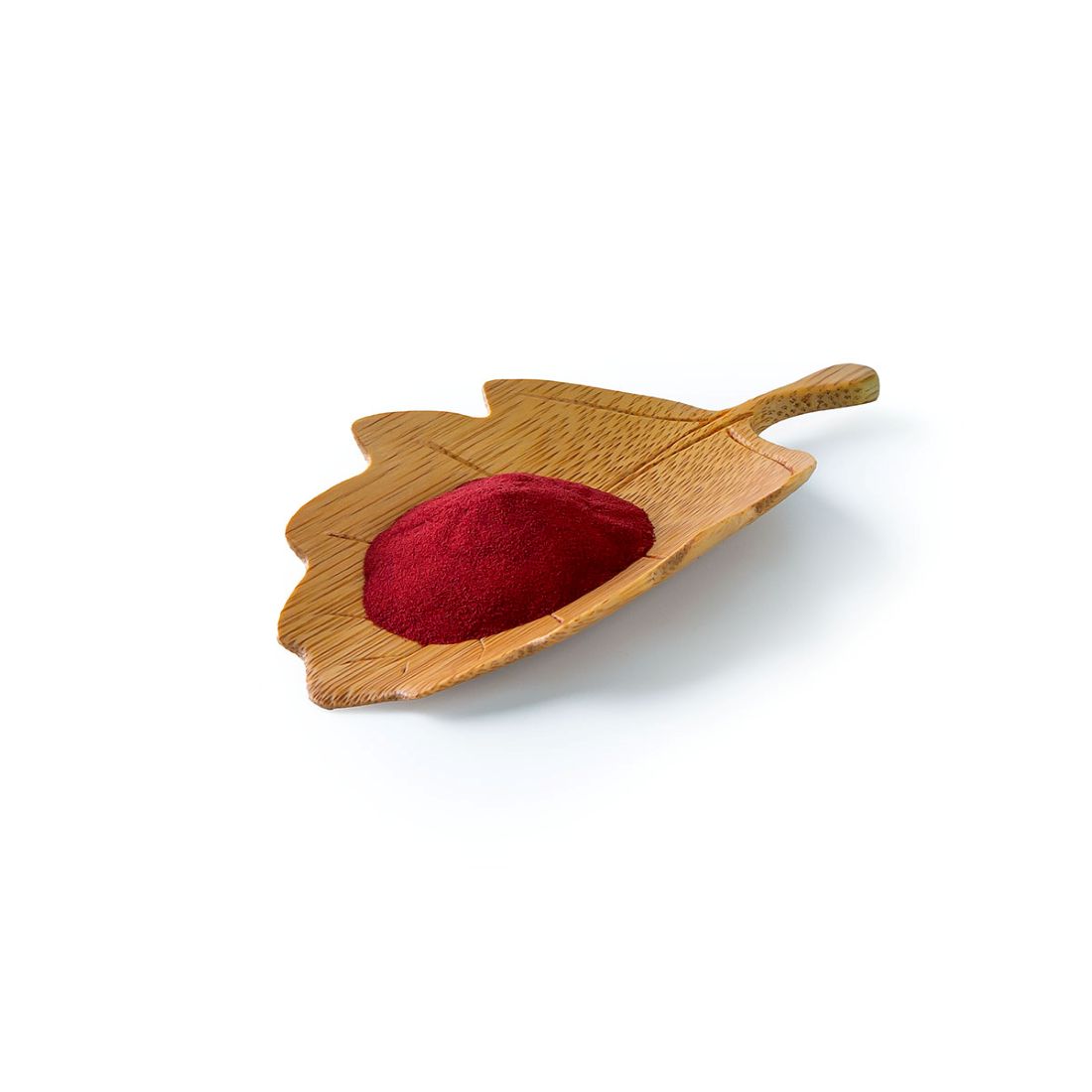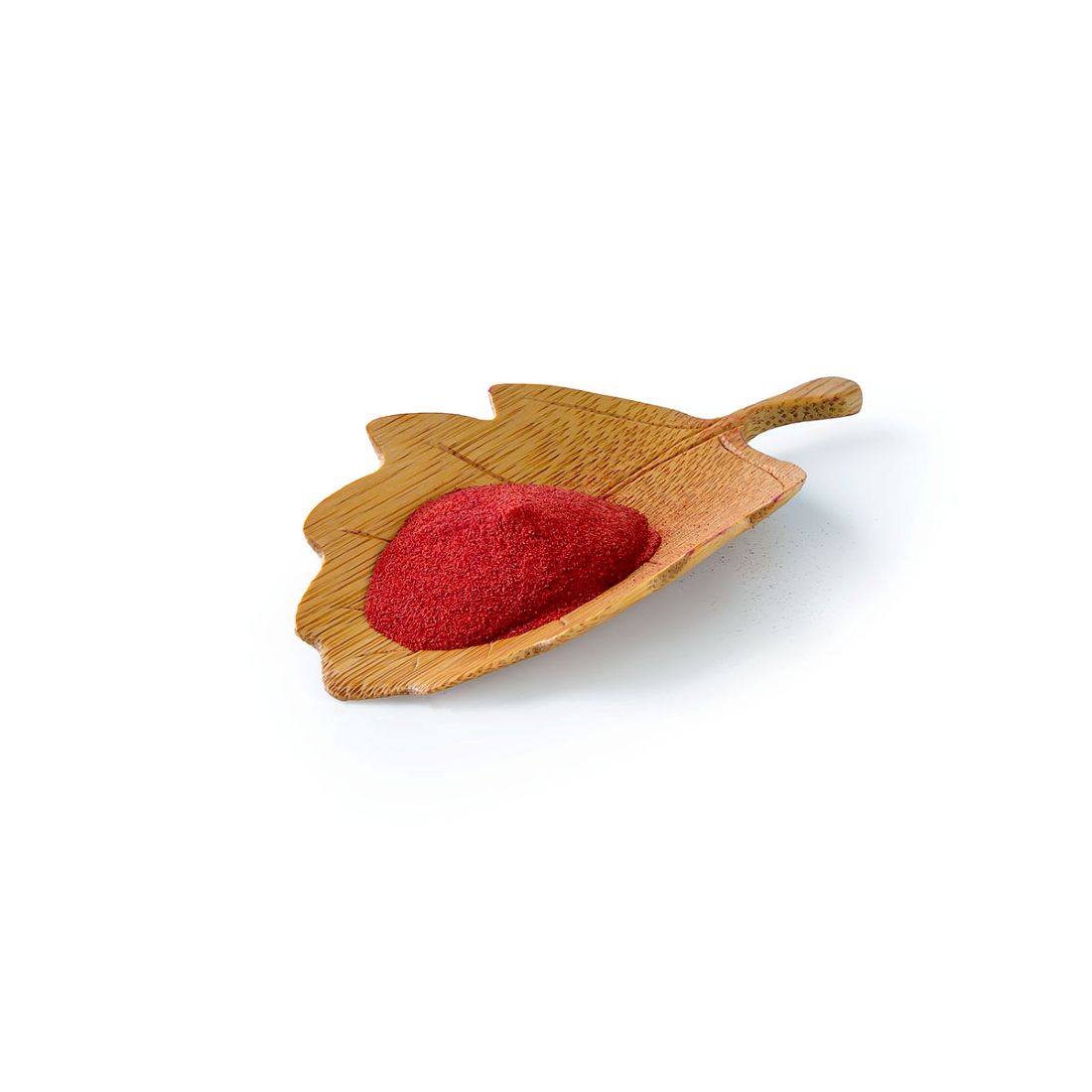


Lycopene Beadlets 5%
Natural lycopene is traditionally extracted from tomatoes. However, fermentation-based processes are now well-developed and offer a more cost-effective alternative.
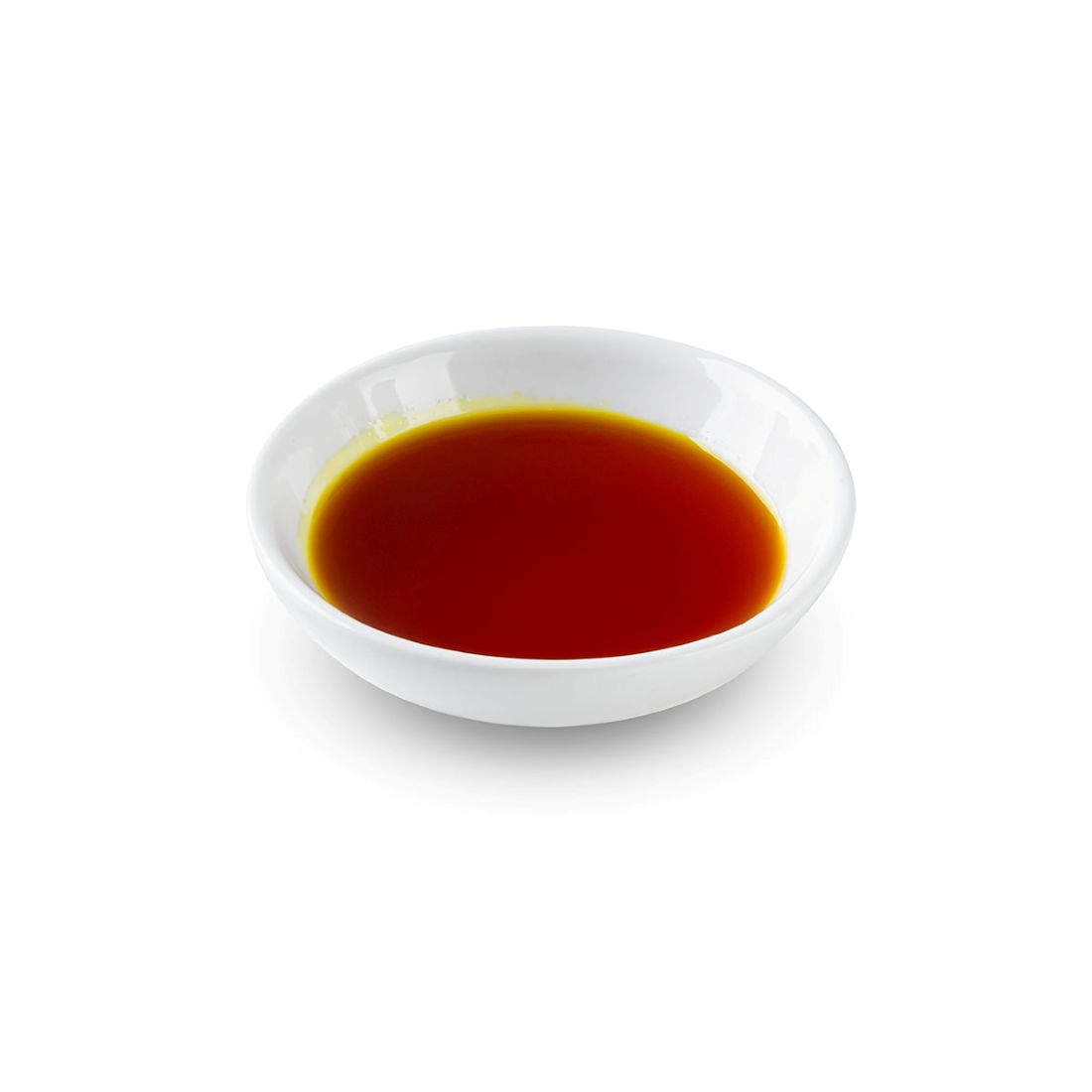
It is widely used as a natural red colorant and functional ingredient in food and beverages, such as fruit juices, health drinks, dairy products, confectionery, baked goods, sauces, and nutritional supplements. Beyond its coloring properties, Lycopene is highly valued for its health benefits, particularly in its antioxidant and anti-aging properties, as well as skin protection.
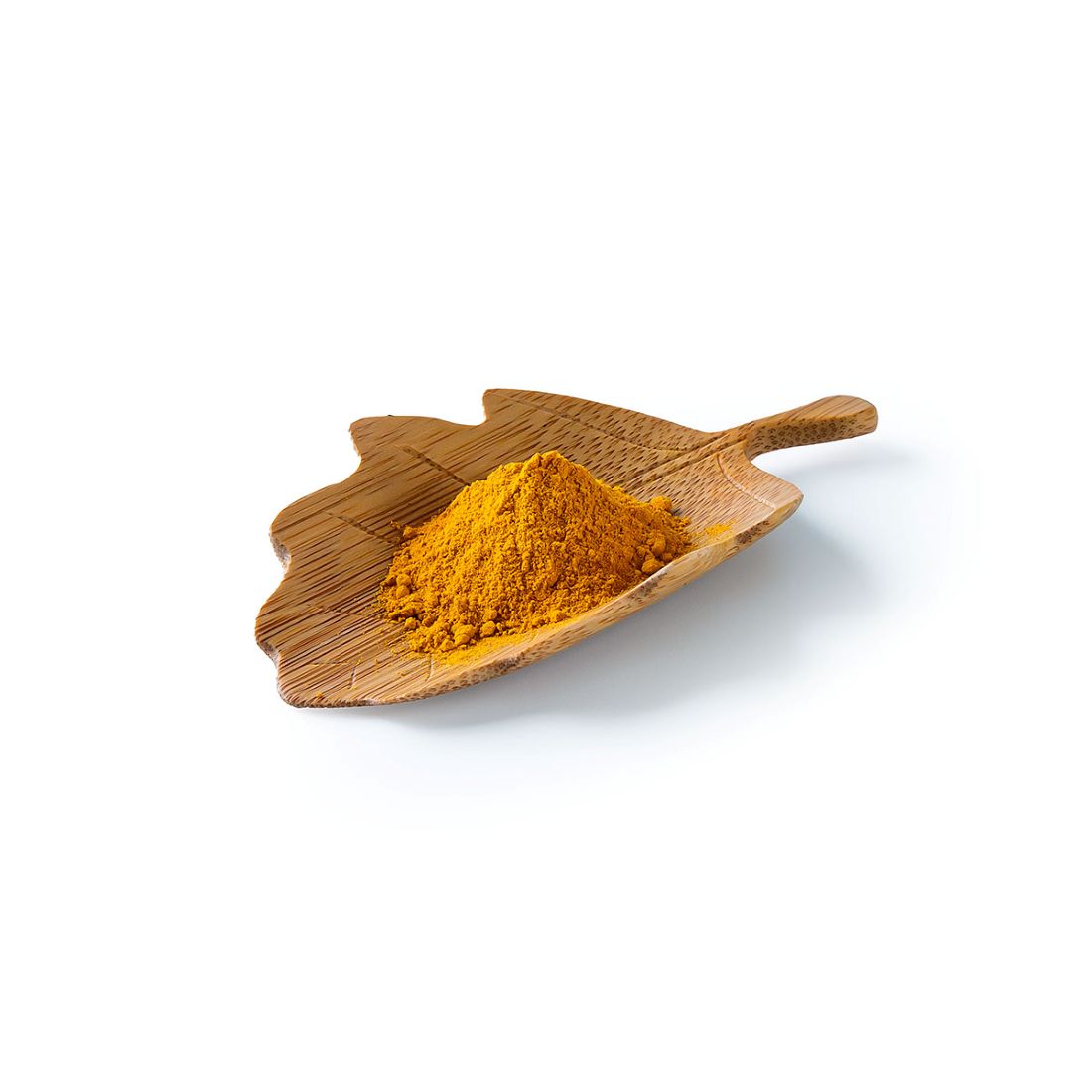
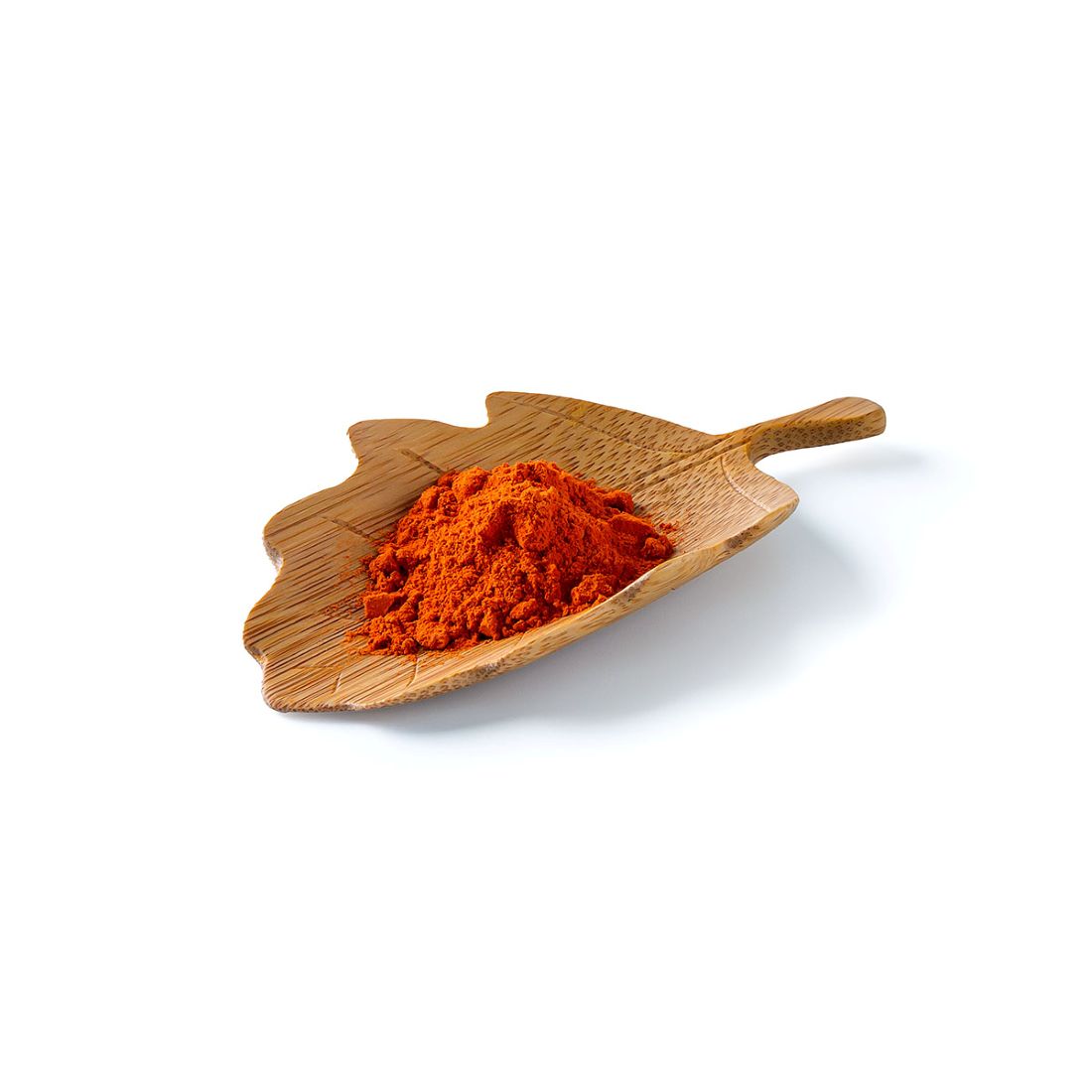
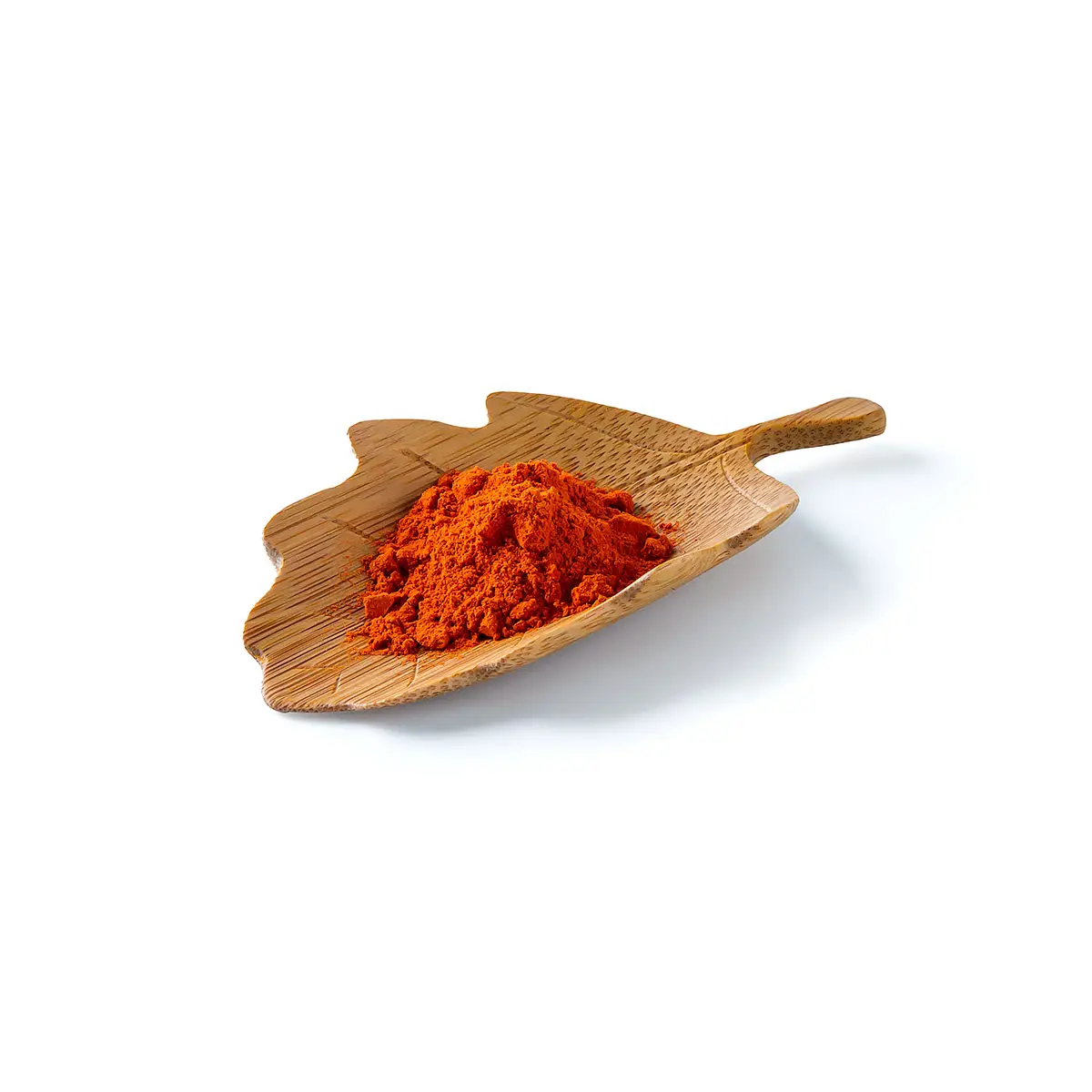
Lycopene: fermentation 5% beadlets (Full COA available upon request)::
| TEST ITEMS | SPECIFICATION |
| Appearance | Dark red powder |
| Odor | characteristic |
| Assay | ≥5.0 |
| Loss on drying(w/%) | ≤5.0% |
| Lead(Pb) | ≤1.0% |
| Total Plate Count | ≤1000cfu/g |
| Yeasts & Molds | ≤100cfu/g |
| Coliforms | ≤3.0MPN/g |
| Salmonella | Negative/25g |
| Staphylococcus aureus | Negative/25g |
| Storage | Store in a cool and dry place,protected from light,heat and oxygen. |
| Shelf life | 24 months in the original package under recommend storage condition.It is recommended to use the entire content after opening |
We keep inventory in US, allowing us to provide fast and efficient service to local clients.

Our food additive workshop meets specifications for a Class 100,000 cleanroom, complete with CIP cleaning and automated metal rejection systems

Our professional QC team and our full suite of equipment, we can test every parameter listed on the COA, including assay, heavy metals, and microbiology.

Immediate acknowledgement of all inquiries during business hours.
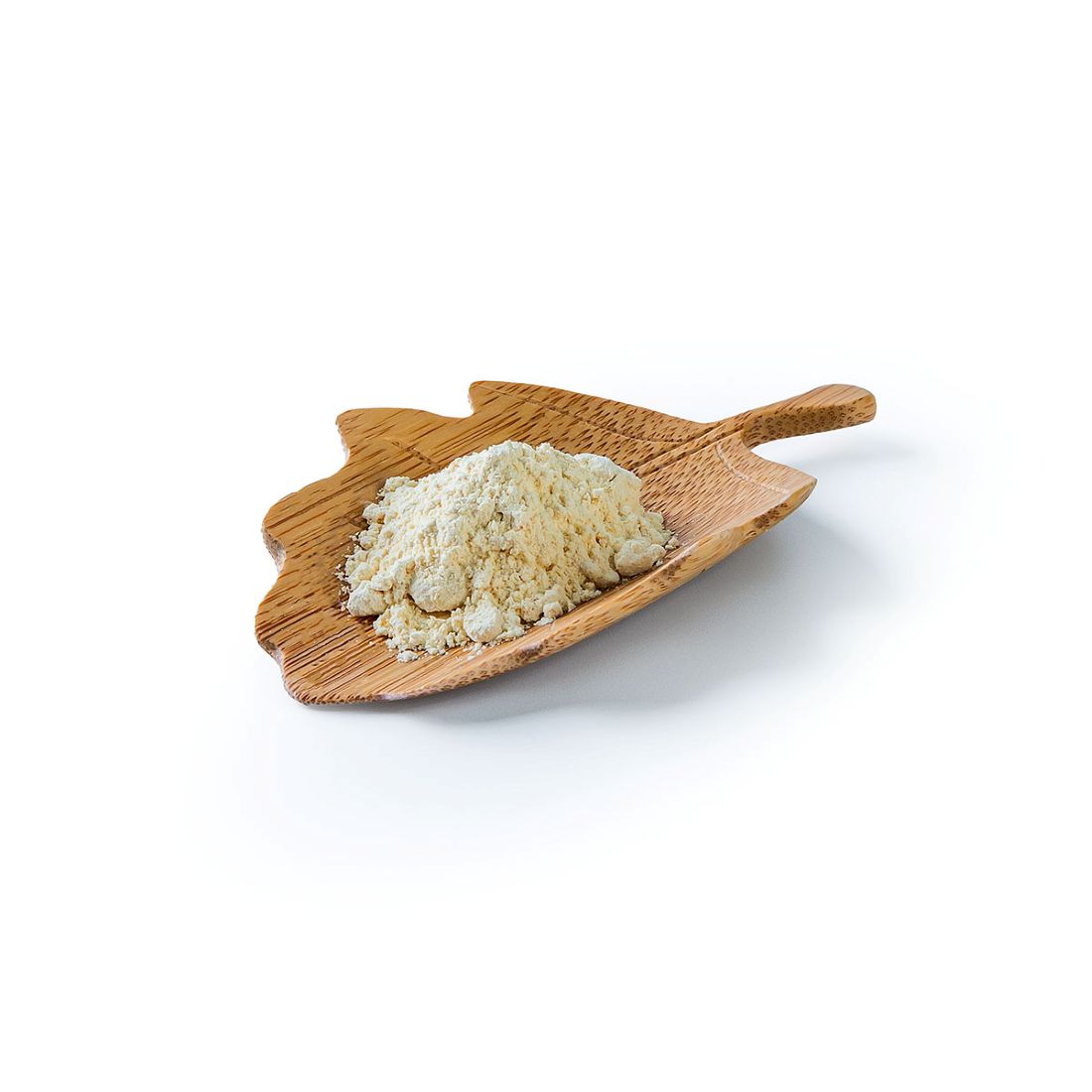
Guaranteed Consistency and Quality of Supply from Seed to Finished Product.
Yes, we offer complimentary samples for quality evaluation. We only ask that you cover the courier/shipping costs.
Mainly uses fermentation bases such as corn syrup,soybean cake flour and starch as medium.
Using BlakeSlea Trispora as a strain, through the processes of fermentation, filtration, drying, extraction, crystallization and purification.
Bulk: 25kg net cardboard drums with internal double-layer PE bags.
Inner: 1kg per bag, vacuum-sealed to ensure consistent assay and long-term stability.